Select your store for Click & Collect*
Find your nearest store
Change postcode

It's estimated that we spend a third of our lives sleeping - which means we spend a third of our lives on a mattress. Get the right mattress, and it can make a big difference to your sleep quality, your energy through the day, and even your back health. Get it wrong, and you'll know about it. Trust us.
From single mattresses and double mattresses to king size mattresses and super king size mattresses, the options can seem endless, so to help you cut through the confusion, here's our complete guide to choosing a mattress that works for you.

Before you start browsing, you’ll want to have a think about a few key factors that will shape how to choose a mattress that is right for you:
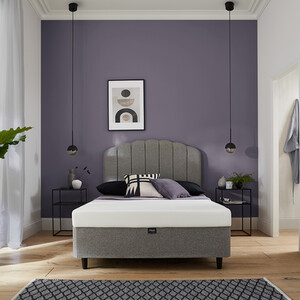
When you buy your mattress, you’ll want to feel like it was made for you. Each type has its own feel and suits different sleepers. Here’s the breakdown:
Memory foam mattresses shape to your body, distributing weight evenly to relieve pressure points and reduce aches. They're naturally hypoallergenic and can last well over a decade with proper care.
Pocket sprung mattresses feature individual springs housed in separate fabric pockets, which move independently to give support and minimise motion transfer, making them ideal for couples. The higher the spring count, the more precise and responsive the support.
Hybrid mattresses combine the responsive support of pocket springs with a comfort layer of memory foam or other fillings on top. Can’t pick between the two? These give you the best of both worlds.
Open coil mattresses are a lightweight, more affordable option where springs are connected by a single wire frame. They're a bit less supportive than pocket sprung alternatives and don’t always last as long, but they're a good choice if budget is a priority.
Orthopaedic mattresses are designed to provide extra firm support for the back and joints. They're a popular choice for back pain sufferers and heavier sleepers who need a firmer feel.
Reflex foam mattresses are firm, non-spring foam options that don't retain heat the way traditional memory foam can. They offer consistent, even support across the whole surface.
These include cooling gel-infused foam, thermal cool materials, and roll-up or folding mattresses - are also available for more specific needs or where space and practicality are a priority.
Browse our full choice of mattresses to explore all available types.

It’s a common misconception that firmness and mattress type come under the same umbrella, but that’s not the case. Firmness is separate from mattress type - it refers to how soft or hard the sleeping surface feels. Most mattresses are rated on a scale from soft through to extra firm.
If you’re looking for a specific level of firmness for your new mattress, you can use the firmness filter on our mattresses page.

As mentioned before, a big factor in choosing the right mattress for you is your sleep position. Here are the best type of mattresses by body type:
For front sleepers, a medium, medium firm, or firm mattress is recommended to maintain a neutral position in the spine and neck. If your mattress is too soft, your torso will sink and cause your spine to arch. Too firm and it won't accommodate the body's natural curve. Memory foam and pocket spring mattresses are both good options here, as they distribute weight evenly across the body.
Side sleepers need a softer spring to allow the shoulders and hips to sink in slightly, keeping the spine straight without creating pressure on the joints. A soft to medium comfort grade is generally recommended. Most filling types work well for side sleepers, the key is making sure the mattress has enough give at the shoulder and hip to prevent pressure points from building up over the course of the night.
Back sleepers typically need more support than other sleep positions, as the mattress needs to keep the spine in a natural alignment. A medium-firm to firm mattress is usually the best option. Pocket sprung, memory foam, and orthopaedic mattresses are all well suited to back sleepers.
If you move between positions throughout the night, a medium-tension mattress is generally the safest choice, supportive enough for back sleeping, with enough give for time spent on your side. A hybrid or pocket-sprung mattress often works well here, as the responsive springs adapt to movement rather than holding a fixed position.

Choosing the right mattress size starts with your bed frame - your mattress needs to match it exactly, so always check the dimensions of your frame before buying. As a general guide, UK standard mattress sizes are:
When measuring up, don't forget to check that a larger mattress can physically fit through your doorways and up your staircase before ordering.
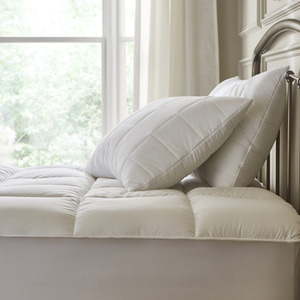
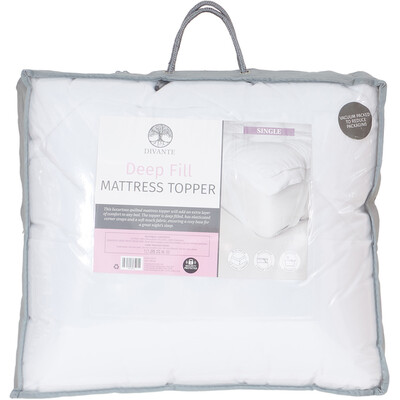
A mattress topper sits on top of your existing mattress and can really make a difference to your sleep. Either adding softness to a mattress that's too firm or providing a layer of protection to extend the life of a newer one. They're available in a variety of fillings, including memory foam, reflex foam, natural wool, feather and down, and microfibre.
If your mattress is still good but has started to feel a little firm or worn on the surface, a topper can be a cost-effective way to refresh it without replacing the whole thing. They're also a good option for guest beds, where you might want to quickly adjust the comfort level depending on who's staying.

A good mattress is an investment, and looking after it properly can add years to its life. Here are a few simple steps that you should follow:
Most mattresses last between seven and ten years, though this varies by type and how well they're cared for. Memory foam and pocket sprung mattresses tend to have longer lifespans than open coil options. If you're waking up with aches and pains that weren't there before, or if the surface has visibly dipped or sagged, it's usually time for a replacement.
There's no single answer, as back pain varies in cause and location. As a general rule, a medium firm mattress provides the best balance of support and pressure relief for most people with lower back pain. Orthopaedic and memory foam mattresses are both commonly recommended.
Yes, your mattress should match your bed frame exactly. A mattress that's too small will move around and leave gaps, and one that's too large won't fit properly. Always check the dimensions on both the mattress and the frame before purchasing.
Not all mattresses are suitable for every base type. Memory foam and pocket sprung mattresses generally work well on slatted bases, provided the slats are no more than 7cm apart. If you have an adjustable base, check that the mattress is rated as compatible, some firmer or coil-based options won't flex with the frame.
Signs it's time for a new mattress include visible sagging or lumps, waking up with stiffness or aches, disturbed sleep from a partner's movement, or a mattress that's over ten years old. If you sleep better in a hotel bed than your own, that's usually a fairly clear sign too.
It's less about hitting a specific price point and more about matching your budget to long-term value. Budget mattresses can work well for guest rooms or beds you won't use every night, but they tend to wear faster and offer less pressure relief. For everyday use, spending a bit more on a pocket sprung or memory foam mattress usually pays off so you're not replacing it every few years. If budget's the main barrier, a payment plan can help make a higher-quality mattress more manageable.